
I was recently chatting to an old friend, and I apologised for behaviour that occurred in the past. They told me it was forgotten and to not worry about it; but I hadn’t forgotten and the process of owning my part in things and apologising is a part of my healing.
We’ve all seen how AA is portrayed in movies and on TV, and it always includes someone doing the 9th step amends. It is probably the most known step, outside of AA and recovery circles. But I think it is misunderstood. Yes, it is apologising for past behaviour; but it is the process to get to that point that is the healing part. You have to work steps 1-8 first, some of which help you uncover your shortcomings and work towards accountability.
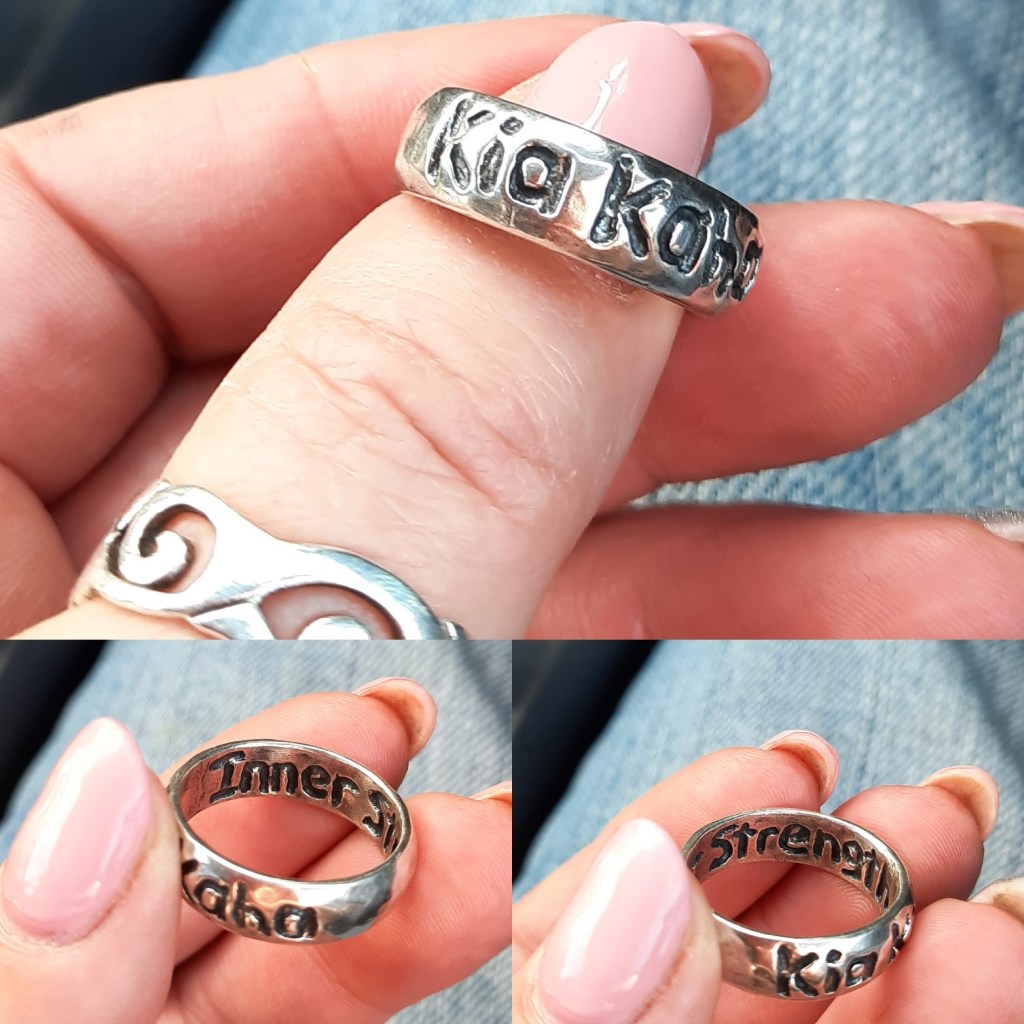
Before any of us can grow and reach our full potential, we all need to accept things we did in our past; how we behaved and who we may have hurt. We have to accept our part in things that went wrong. Until we do, we cannot truly move on.
I used to have a massive martyr syndrome. Things happened because of how other people acted. In reality they just weren’t following the script I had written in my head. But my thought process at that time, was they were doing stuff To Me. As if I was passive in these interactions. But of course, it takes 2 to form a relationship, and both parties contribute to the success or failure of that relationship.
I have come to understand, that, by and large, we are treated as we invite others to treat us. Of course I’m not talking about any form of abuse, or assault or other types of harm, where we are innocent. There is no space for victim blaming. We never contribute to rape, assault, abuse etc. that behaviour lies solely with the perpetrator. Never the victim
I’m talking more our everyday relationships, either personal or workplace. How we act often defines how others see us and how they respond. If you are forever going the extra mile at work, people will come to expect that as the norm. they will expect you to always be willing to work extra, cover more and demand less etc. And will probably be oblivious to your feelings of resentment.
In interpersonal relationships, if you are the one who always accommodates others, then that will become what always happens. I heard very early on “Do I have a doormat pinned to my forehead? Only to realise I may have put it there myself.”
If you are the person who always makes the first contact – either by ph., or text.. then that is how the relationship will inevitably proceed. If you are the person who never makes the first touch – then somehow you know that’s ok, because your friend will fill in that gap.

A very important part of Recovery has been learning all these new strategies. Really looking at where I perceived hurt, and honestly, and often painfully, assessing my part in it. If I didn’t verbalise my needs then how is the other person expected to know?? Sadly, none of us are psychic. We have to actually explain what we need; and how we would like to be treated. Not continue to accept behaviour we are not really comfortable with – because that just sends the message that we are ok with it.
I know, sounds easy, huh? lol
There is a cycle of self esteem tied up in this. How we feel about ourselves is often tied up in how we perceive others see us.
“If I’m always ignored, and always the one to make the first move; it stands to reason, that they don’t think much of me.”
It becomes a self-fulfilling prophesy, “if I meant more, they would try harder, so obviously I can’t mean that much to them” …. When in all reality, they may just be used to you doing all the initiating. And respond, because they DO think a lot of you!

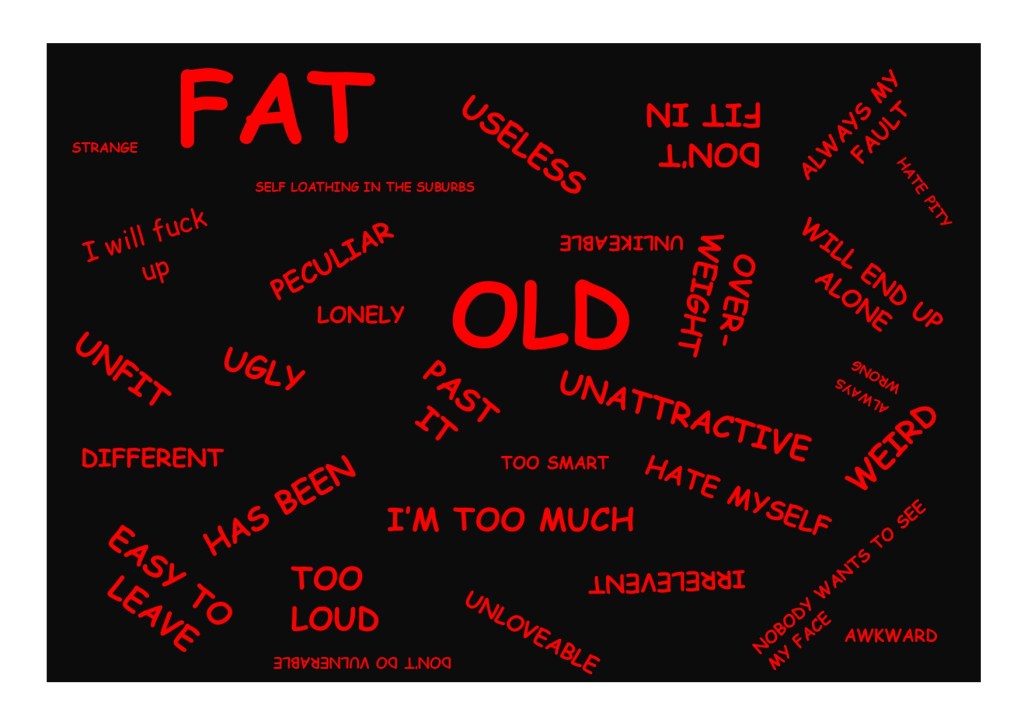
It is very easy to be sucked into that low self-esteem loop, if you rely on the actions of others to rate yourself. Instead, you need to start of liking yourself. And this happens by learning to take care of yourself, putting your needs first, and just stepping out of that loop.
Of course it isn’t easy to quell those negative voices in our head. Most of us have heard them for our entire lives. Which is why we so readily believe them. But I found my first step, was using logic. I looked at the people around me, those whose opinions I really valued; and I thought to myself “these people, whose opinion I trust, have no reason to lie to me”. So if they’re not lying, then they must actually think I’m ok. And it isn’t that straight forward either, I had to repeat that mantra often, until I came to believe it. Practice, practice, practice.
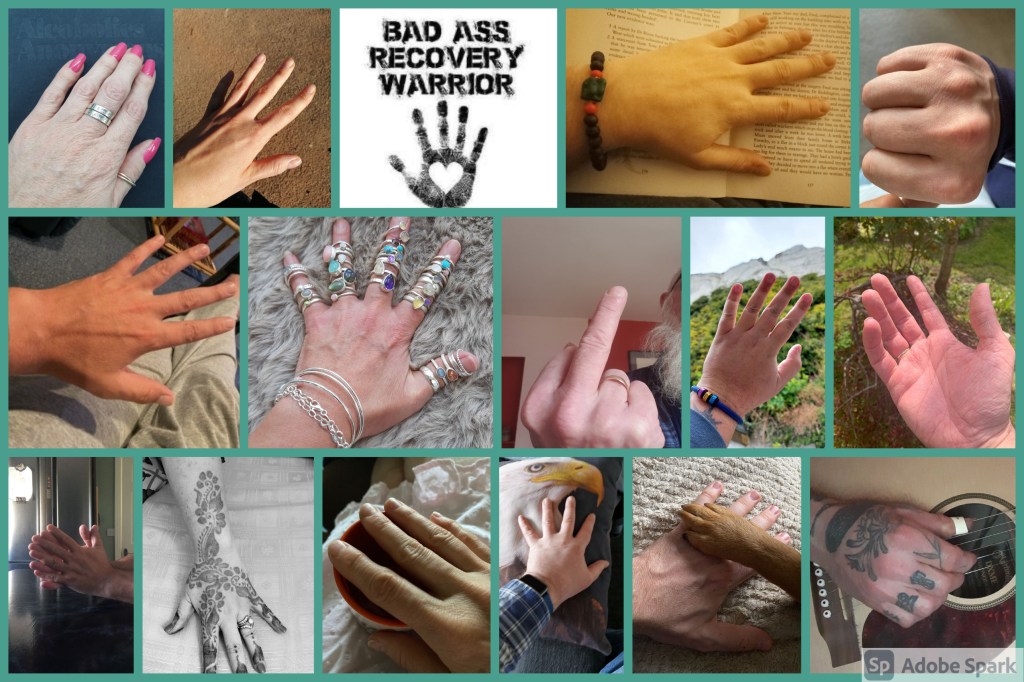
I’m still working through relationships. Working out what I want from them, and how I can best act to ensure that they are the best they can be. I try to take ownership of Me, of what I say and do, and what I want. And then I ACT to make these things happen. And if the changes don’t work, then maybe that relationship isn’t a healthy one for me. By taking responsibility and atoning for my past, it sets us both up better. Builds a healthy foundation and boundaries.
I’m not perfect. It is very easy for me to revert to my default setting, of “its them, not me”; but like most of the things I’m learning, I know what will bring me the peace and serenity I crave. And that pushes me onwards
By owning our own behaviour, it helps us accept others.
By owning our past, we cannot help but build a healthier future
By owning how we communicate – we can accept what we receive in return.

Whāngai ka tupu
Ka puāwai
That which is nurtured
Blossoms and grows
 Food for the soul - welcome to my world